Upper blepharoplasty removes excess skin and fat from the eyelid crease to open up a hooded, tired-looking eye, while lower blepharoplasty addresses puffiness, bags, and hollowing beneath the eye. Many patients need only one or the other; some benefit from both performed together. In this blog, double board-certified facial plastic surgeon Dr. Matthew White, who has spent his career focused exclusively on the face and neck at his Fifth Avenue practice, explains how NYC patients typically decide which area of the eyelid needs rejuvenation and what each procedure actually corrects.
Eyelid surgery has become one of the most requested procedures in facial plastic surgery. According to the American Society of Plastic Surgeons' 2024 statistics report, surgeons performed more than 120,000 blepharoplasty procedures that year, making it the most common cosmetic facial surgery in the country. That popularity means more patients than ever are trying to figure out exactly which part of the eye area is aging them.
What Is the Difference Between Upper and Lower Blepharoplasty?
The two procedures address opposite directions of aging on the same feature. Upper lids tend to sag downward and obstruct the eye, while lower lids tend to swell outward or hollow inward. Dr. White evaluates each area independently during a consultation, since a patient can show significant aging in one zone and almost none in the other.
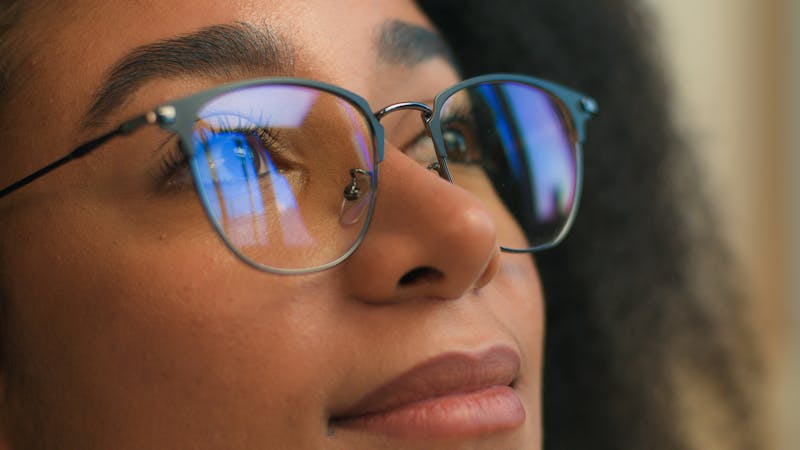
Eyelid surgery addresses both upper and lower eyelid concerns and can be customized based on the patient's anatomy and goals.
Signs You May Need Upper Eyelid Surgery
Upper eyelid concerns are usually easy to spot because they change how open the eyes appear, not just how tired they look. Patients considering upper blepharoplasty in NYC commonly notice:
- Excess skin that folds over the crease or rests on the eyelashes
- A heavy, hooded appearance that makes the eyes look smaller
- Skin that interferes with eye makeup application
- Mild peripheral vision obstruction in more advanced cases
- A permanently tired or sleepy expression, even when well rested
When hooding is severe enough to affect vision, insurance may cover part of the procedure, which is something Dr. White's office can help evaluate during a consultation.
Signs You May Need Lower Eyelid Surgery
Lower eyelid aging shows up differently. Instead of drooping skin, patients usually see volume-related changes beneath the eye. Common signs include persistent under-eye bags regardless of sleep or hydration, a hollowed or shadowed tear trough, fine wrinkles or crepey skin along the lower lid, and a perpetually fatigued appearance in photos. These changes come from fat pads shifting forward and skin losing its underlying support, not from excess skin the way upper lid aging typically does.
For patients whose primary concern is hollowing or shadows beneath the eyes, non-surgical tear trough treatment may also be an option depending on the underlying anatomy.
Can You Combine Upper and Lower Blepharoplasty?
Yes. Many NYC patients who come to Dr. White for a consultation end up treating both areas in a single surgery, since the eyelids are assessed and operated on as one aesthetic unit. Combining the two procedures allows for one recovery period instead of two, and it lets Dr. White balance the upper and lower lids so the results look proportionate rather than treating one area in isolation. Whether combination surgery makes sense depends on how much each area has aged, the patient's skin quality, and their overall facial rejuvenation goals.
Why Choose Dr. Matthew White for Eyelid Surgery in NYC
Dr. White is a double board-certified facial plastic surgeon, certified by both the American Board of Facial Plastic and Reconstructive Surgery and the American Board of Otolaryngology. His surgical training took him through Harvard Medical School and a fellowship in facial plastic and reconstructive surgery at NYU Langone Medical Center, where he later served as Director of Facial Plastic and Reconstructive Surgery.
Because his practice is limited entirely to the face and neck, Dr. White brings a level of focus to eyelid surgery that broader plastic surgery practices don't offer. His conservative, natural-results philosophy means he removes only what's needed to open and refresh the eyes, rather than over-correcting in a way that changes a patient's natural eye shape.
What to Expect During Blepharoplasty Recovery
Recovery timelines differ slightly between the two procedures, though both are considered outpatient surgeries with a relatively short downtime. Most patients experience bruising and swelling for the first one to two weeks, with makeup typically able to conceal residual bruising after about ten days. Upper eyelid incisions are hidden within the natural crease, while lower eyelid incisions are placed either just beneath the lash line or inside the eyelid itself, depending on the technique used. Final results, including the settling of subtle swelling, generally take several months to fully reveal themselves.
Considering Eyelid Surgery in NYC? Dr. Matthew White Can Help You Decide
Deciding between upper blepharoplasty, lower blepharoplasty, or both isn't something patients need to figure out on their own. During a consultation, Dr. Matthew White examines the upper and lower lids individually, discusses your goals, and recommends the approach that will give you the most natural, refreshed result. For patients with brow position contributing to upper eyelid heaviness, a brow lift may also be considered as part of a personalized facial rejuvenation plan. If you're in the New York City area and ready to explore your options, schedule a consultation with Dr. White's practice to get a personalized recommendation.
Sources
- American Society of Plastic Surgeons, 2024 Plastic Surgery Statistics Report
- Mayo Clinic, Blepharoplasty (Eyelid Surgery)